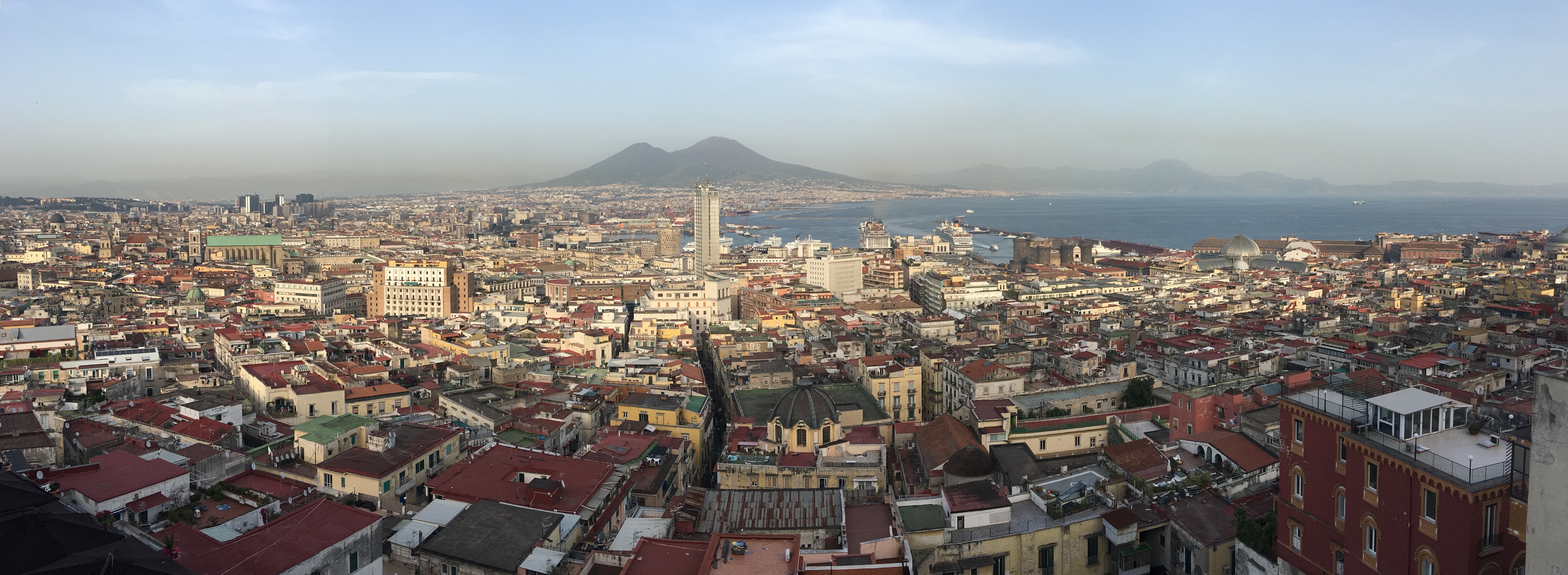
Campania is a region of southern Italy bordering the Tyrrhenian Sea, known for its rich history, dramatic coastlines, and vibrant culture. Its capital, Naples, anchors a landscape where ancient ruins, active volcanoes, and fertile plains coexist, making Campania both a cultural and agricultural heartland.
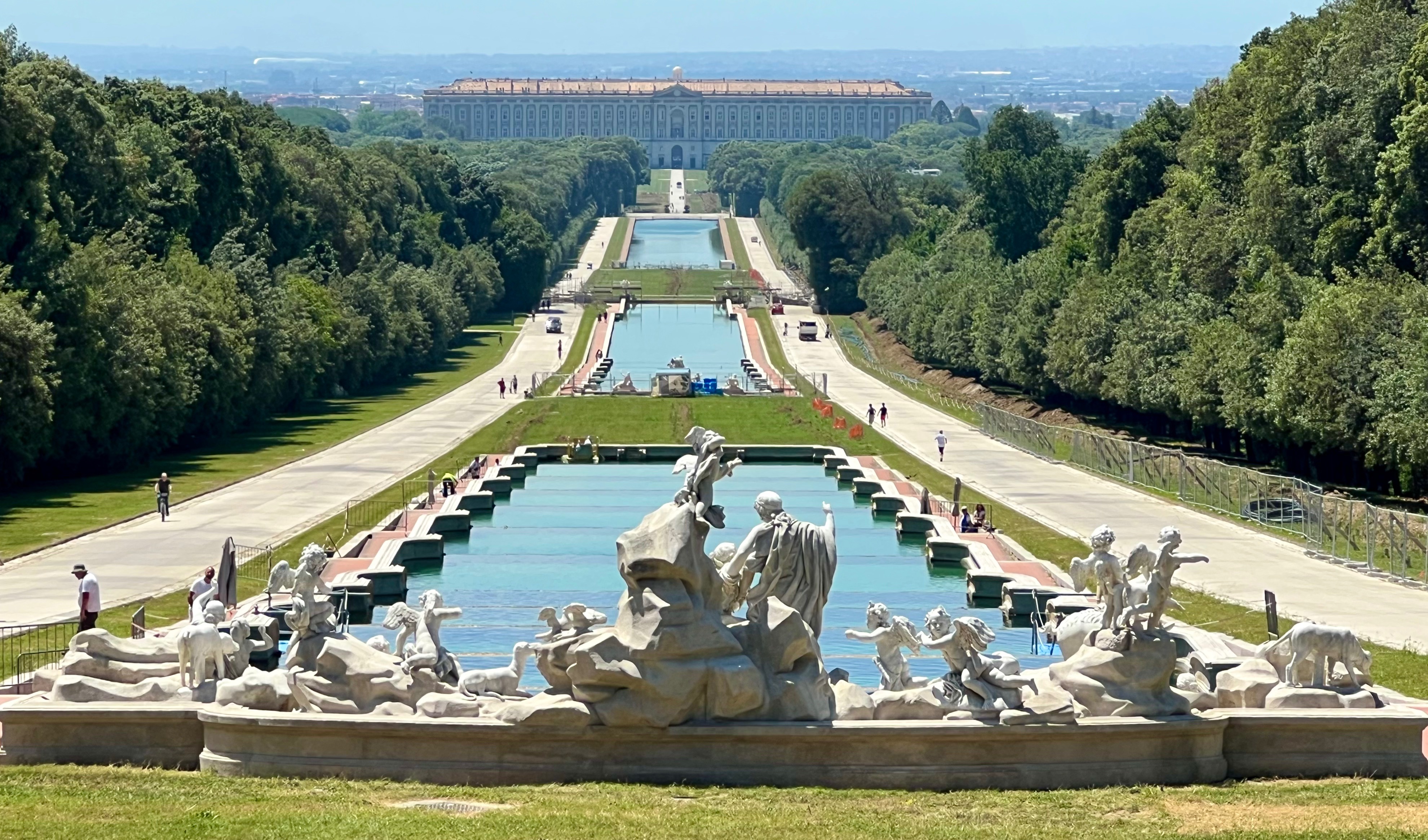
Key facts – Capital: Naple = Area: 13,595 km² (5,249 sq mi) – Population: About 5.8 million (2025 est.) – Provinces: Naples, Caserta, Benevento, Avellino, Salerno – UNESCO Sites: 10, including Pompeii, Amalfi Coast, and Royal Palace of Caserta
Geography and environment – Campania stretches from the Garigliano River in the north to the Gulf of Policastro in the south. Its terrain is mostly hilly and mountainous, punctuated by volcanic zones such as the Campi Flegrei and Mount Vesuvius. The Tyrrhenian coastline features the Amalfi and Sorrento peninsulas, while inland areas like Irpinia and Sannio are dotted with forests and vineyards. Fertile volcanic soils sustain rich agriculture, earning the region its ancient nickname Campania Felix (“happy, fertile land”) .
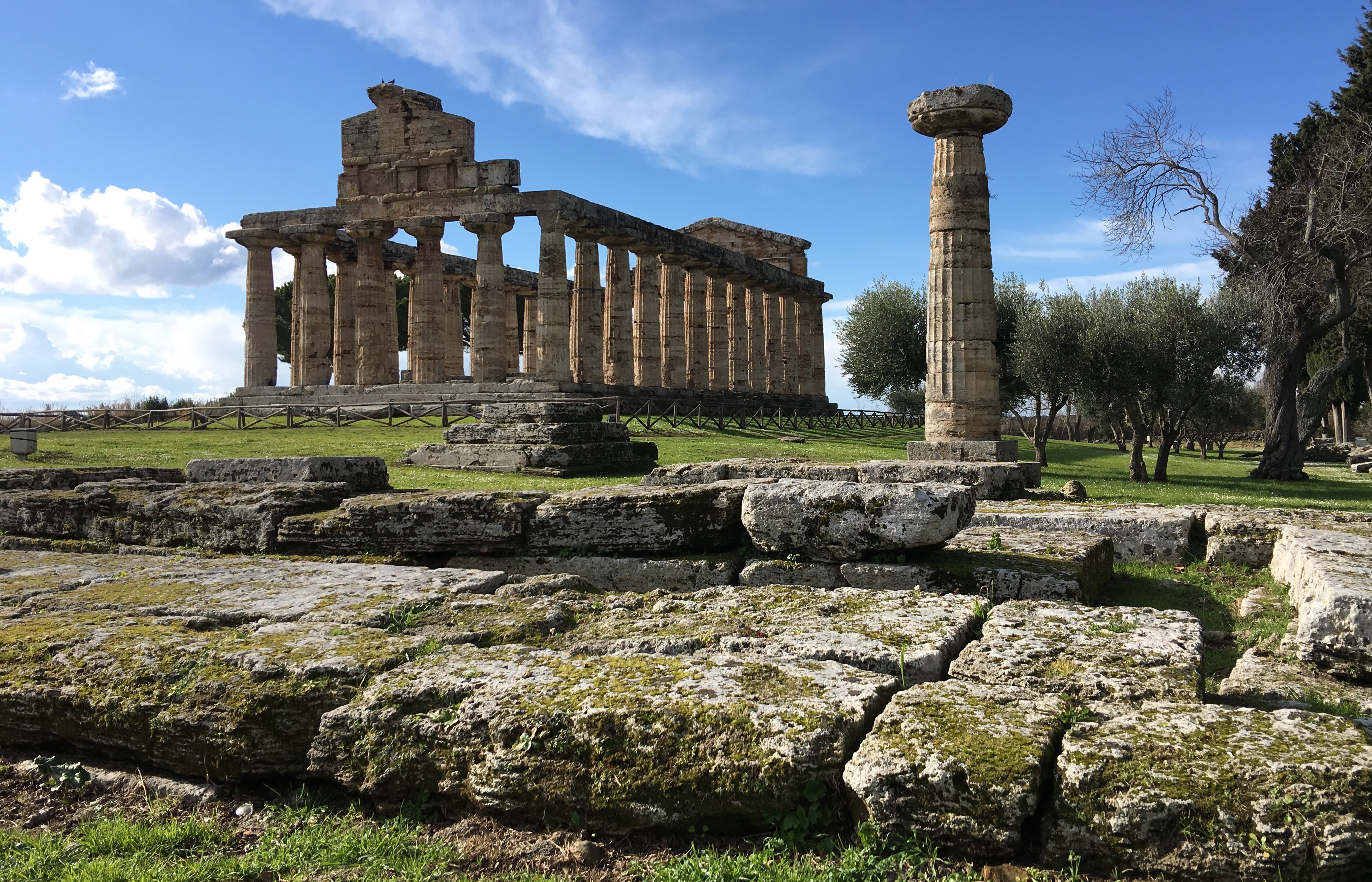
History and heritage – Greek settlers founded cities such as Cumae and Parthenope (later Naples), making Campania central to Magna Graecia. The Romans later developed it as a resort and agricultural zone; ruins of Pompeii, Herculaneum, and Paestum remain major sites. After the empire’s fall, the region passed through Byzantine, Lombard, Norman, and Bourbon rule, forming the core of the Kingdom of Naples before unification with Italy in 1861 .
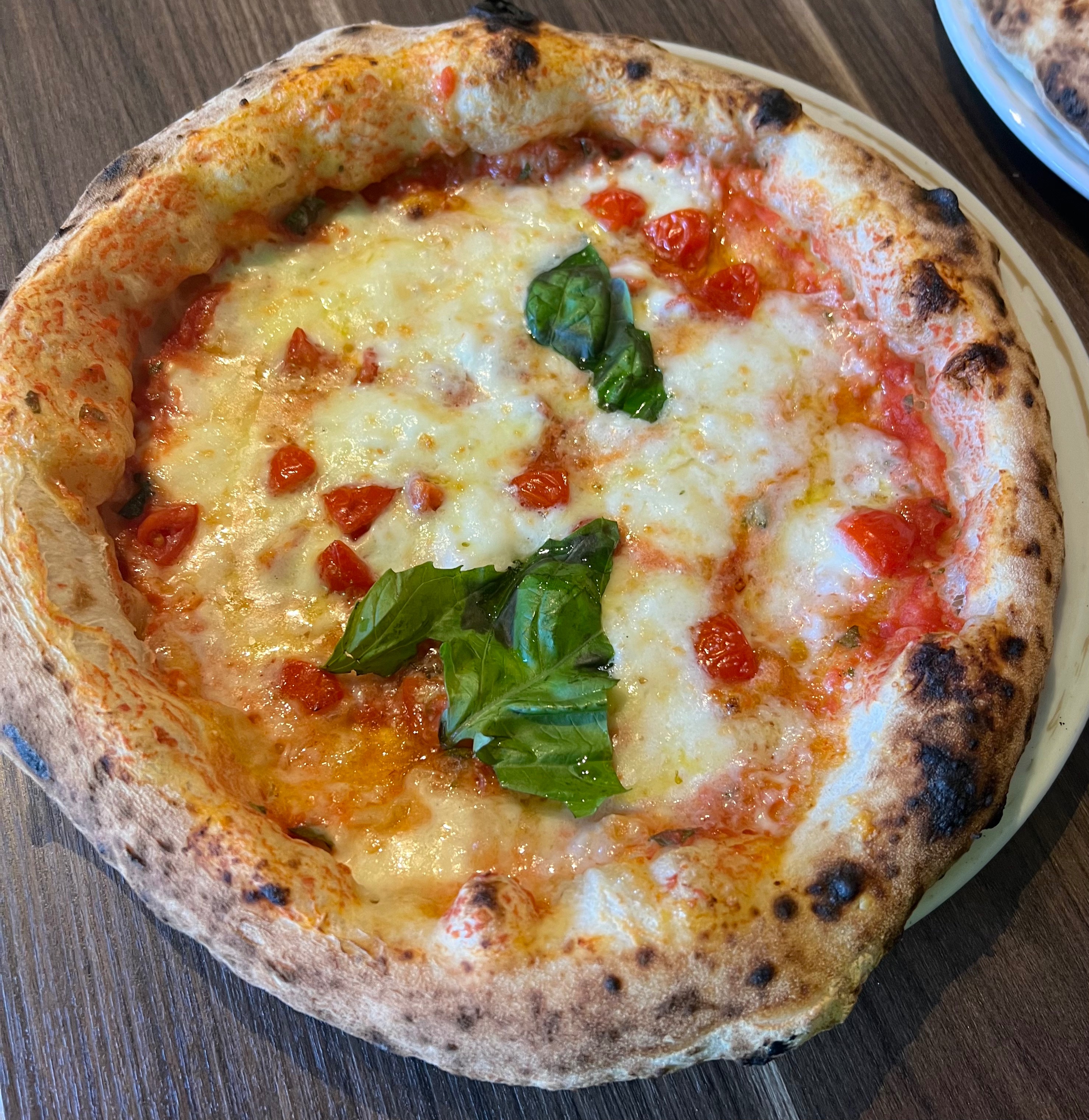
Economy and culture – Naples is Campania’s industrial and cultural hub, known for shipbuilding, textiles, and artisan crafts. Agriculture remains vital—producing citrus, grapes, and vegetables—while wines like Taurasi, Fiano di Avellino, and Falanghina are internationally prized. Tourism thrives on the Amalfi Coast, islands such as Capri and Ischia, and Naples’ historic center. Campania’s cuisine—especially Neapolitan pizza, pasta dishes, and desserts like sfogliatella—embodies the Mediterranean diet, recognized by UNESCO as intangible heritage .
Contemporary relevance – Today Campania is Italy’s most densely populated southern region and a major tourist gateway. Despite economic disparities, it continues to shape Italian identity through art, archaeology, gastronomy, and its distinctive Neapolitan spirit. Recent civil protection efforts focus on managing seismic and volcanic risks in the Campi Flegrei area
Campania offers a staggering mix of world-class history, dramatic coastlines, and culinary heavyweights. You can wander the ancient ruins of Pompeii Archaeological Site and Herculaneum Archaeological Park, hike to the crater of Mount Vesuvius, or eat authentic pizza in Naples.
The region is overflowing with bucket-list sights and activities:
- Naples (Napoli): Immerse yourself in the chaotic, charming historic center. Don’t miss the world-class Naples National Archaeological Museum, the underground caverns of Napoli Sotterranea, and the Sansevero Chapel Museum to see the veiled Christ.
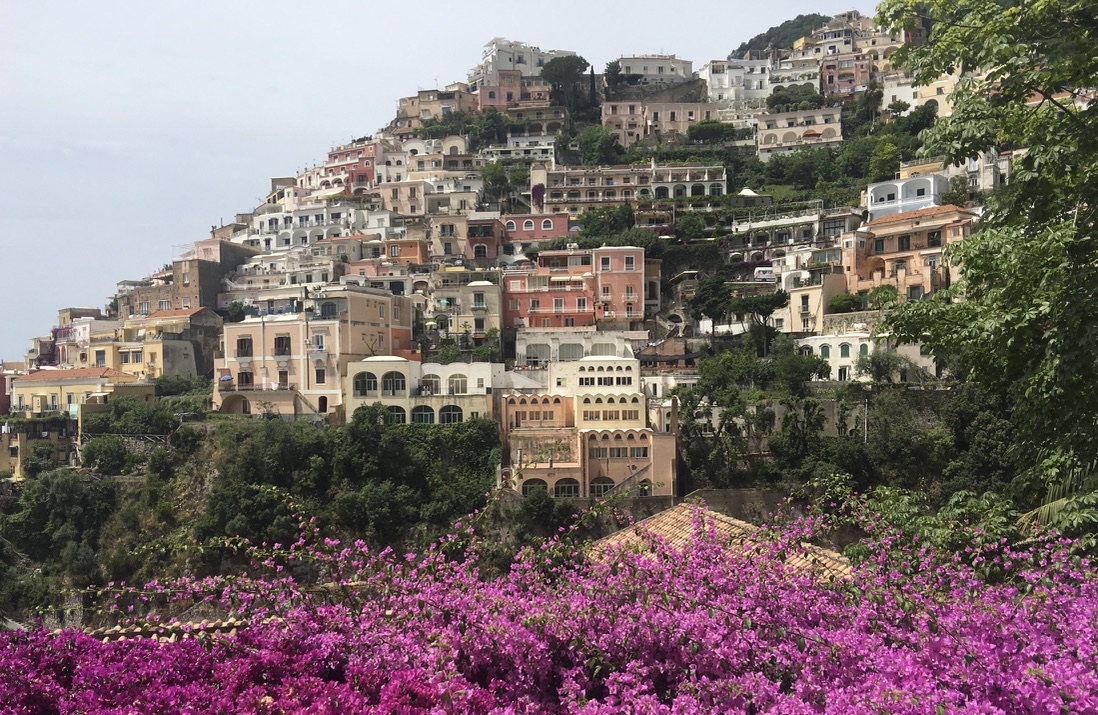
- The Amalfi Coast: Drive or take a scenic boat tour Positano and Amalfi, or head up the cliffs to the quieter, garden-filled town of Ravello. Hikers shouldn’t miss the breathtaking Path of the Gods trail.
- The Islands: Take a ferry out to Capri to see the glamorous Piazzetta and the glowing Blue Grotto. For a more laid-back, local vibe, head to the island of Ischia for its thermal hot springs, or the wonderfully colorful and tiny island of Procida.
- Sorrento Peninsula: Use Sorrento as a stunning, cliffside base to explore the coast. It is the perfect place to enjoy lemon-infused treats and shop for local crafts.
- Ancient History beyond Pompeii: Head to Paestum to view some of the best-preserved ancient Greek temples in the world, or visit the massive Royal Palace of Caserta, often called the Versailles of Italy.
- Relaxed Southern Coast: Travel south into the Cilento Coast and Cilento National Park to escape the crowds and enjoy pristine beaches and local wineries.
 Alessandro Colao